
Custom Home Builder Brisbane | Expert Home Design & Construction
Building Buddy is Brisbane’s trusted Custom Home Builder, offering tailored home designs, expert drafting services, and quality construction.
Build Smarter, Not Harder—Your Trusted Brisbane Home Building Experts
Building a home isn’t just about construction—it’s about creating a space tailored to your lifestyle, needs, and vision. Whether you’re starting from scratch, refining your home’s design, or planning a complex build, Building Buddy ensures a seamless experience from concept to completion.
✔️ Innovative home designs that maximize space and functionality.
✔️ Transparent pricing—know your costs upfront with no surprises.
✔️ End-to-end service—expert guidance from planning to final handover.
Ready to Build with Confidence?
Our Core Services—Designed Around You
Crafting custom homes tailored to your land, lifestyle, and vision.
Custom Home Design & Build- Your Home Handcrafted by a Trade Based Builder
Low-Cost Design & Build Feasibility - Makes sure your design aligns with your budget
Project Management – Seamless coordination from design to completion.
Build Cost Estimates – Transparent pricing for informed budgeting.
Expert home building services, from site preparation to completion.
Demolition – Safe & efficient clearing for new builds.
Luxury Home Building - Custom designs with premium finishes.
Home Renovations – Transforming existing spaces to modern standards.
Home Build Feasibility Advice – Smart planning to prevent costly mistakes.
Quotes to Build – Accurate cost estimates for budget certainty.
Ensuring your construction projects run smoothly with expert oversight.
Project Management – Seamless coordination from design to completion.
Construction Trade Quotes – Verified pricing from reliable trades.
Building Contract Specifications– Clear agreements for stress-free builds.
Transforming ideas into precise, functional home designs
Construction Plans - Comprehensive documentation for accurate site execution.
House Floor Plans – Optimized layouts for practical and stylish living.
House Façade 3D Modeling – High-quality renderings for informed design decisions.
Creating beautiful, efficient homes tailored to modern lifestyles.
Free Home Design Consultation – Expert guidance before committing.
Luxury Home Designer – High-end designs tailored to your vision.
Small Lot Home Design – Maximizing space in compact areas.
Split Level Home Design – Smart solutions for sloping sites.
Dual Occupancy Home Design – Multi-unit layouts for investment potential.
Helping builders & homeowners make informed, strategic decisions.
Builder Marketing Consultant – Helping builders attract the right clients. - Growth strategies for attracting the right clients.
Builder Custom Design & Build Management Systems - Systems that help customers make decisions.
Why Homeowners Choose Building Buddy
1800 710 102 Contact Us
Transparent pricing
No hidden fees, just clear costs upfront.
End-to-end service
From concept to completion
Seamless communication
keeping you informed every step of the way.
Testimonial
Why our clients trust us

-
Building Buddy was recommended to us from our daughter after she built her house using them. We were delighted with their service and our plans were exactly what we wanted. They were able to answer our questions along the way and make the process much easier than we thought.

 Carla Adams
October 15, 2018We have had the pleasure of working with Joh on a few projects including our new home we built with him. Joh was nothing but professional and attentive to our requested and changes. He helped us with the design of our house and the engaugment of a builder. We had a wonderful experience and would recomend anybody to do the same. he take the hassle out of the process. Thanks Joh Highly recomended
Ben Chester
October 9, 2019We have almost completed our build of a complex 3 story home in Morningside on which Joh from Building Buddy did the design. Over the build quite a lot of variations happened and the team at Building Buddy were fantastic in sorting these. I have not been the easiest client and very demanding but all times if was shown total respect and all changes done without fuss. With the network of builders they have at hand we were linked up with Mick from Canetoad Constructions who is doing a professional and quality build. Been in the building game for many years and their process is straight forward and simple and very cost effective. I think when building a new home you firstly need to have an idea of what you want . Then get someone to put in a plan .Check what specs have been included . Then get someone to actually build it within your budget. Again Building Buddy a very professional and one stop shop to building your new home or any renovation on your existing home.
Dominic Bonasia
September 26, 2019 -
Joh and his team at Building Buddy are really great. Very helpful and down to earth and I feel like my renovation/extension is in really good hands. Joh has been very patient as we've worked through the various stages of design and redesign, question after question after question... and we are almost there! Looking forward to kicking off the construction in the not too distant future! I highly recommend Joh and his team! Donna H
Donna Henderson
October 14, 2019Joh & the team have been fantastic throughout the last few years with my projects. They are a professional well organised company that get the job done. I highly recommend them and will definitely keep using their services in the future. Thank you Joh & the team.
Deb turvey
October 31, 2019Joh helped out with plans for a knockdown/rebuild on Brisbane Southside. Very highly recommended. Super responsive with communication/updates, excellent building designer/thorough plans, reasonable cost & really looks to get the outcome you want. Staged the design so that you are not spending too much on plans that would result in an unrealistic build cost. Very happy for being referred to Joh, will absolutely use again in the future. Thanks Joh!
 Steve Cook
August 19, 2024 -
Here at SCM Projects we like to keep our clients happy so it's imperative that we deal with reliable honest contractors and, having worked in with Joh & the team at Building Buddy for some 7 years or more on several occasions we have found them to be very competent and professional. A very useful aspect of dealing with Building Buddy is that they have a very flexible design system that integrates well with up to date costings, enabling reasonably accurate costings to changes that inevitably occur during the design process.
Adrian Stagg
August 30, 2019Joh and the team were Professional from the beginning and nothing was too much effort. We had plans for 2 x small lot homes and subdivision completed by Building Buddy. Joh was across all the small lot codes and was creative in the design process achieving exactly what we wanted. When we wanted to make changes it was done promptly with no fuss and of high quality. I will definitely be using Joh and his team again for further Projects. Highly Recommended.
Jo KemP
April 11, 2022I have completed both a new build and a renovation using Building Buddy having built before I can honestly say the process was easy, smooth and the results outstanding. I would highly recommend their services.
Amy Adams
October 15, 2018


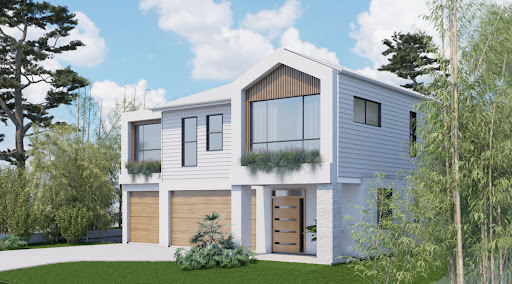


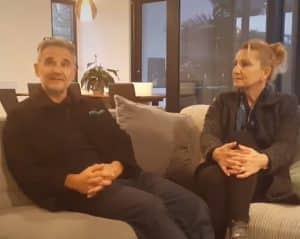
"In a very short time Building Buddy were able to come back to us with a concept that was presented in a manner that really appealed to us... it was a little overwhelming to be honest, to think that they could take our ideas and in a very short time present what was a very complex drawing that that was very close to what we wanted."
Alex & Mimi
Let us start helping you today!
Advice is Free - We are ready to talk anytime.
Call 1800 710 102
Building Buddy is Brisbane’s trusted Custom Home Builder, specializing in tailored home designs, expert drafting services, and quality construction. Our team ensures seamless project execution with transparent pricing and expert guidance.